

Temple Jewellery
Indian Temple Jewellery
Temple jewellery originated in the ancient temples of South India, where it was used to adorn the idols of deities. Over time, it became popular among classical dancers and brides, symbolizing divine beauty and grace. The intricate designs and craftsmanship reflect the rich cultural heritage and religious significance of the region.
Temple jewellery is known for its elaborate designs and meticulous craftsmanship. Some key features include:
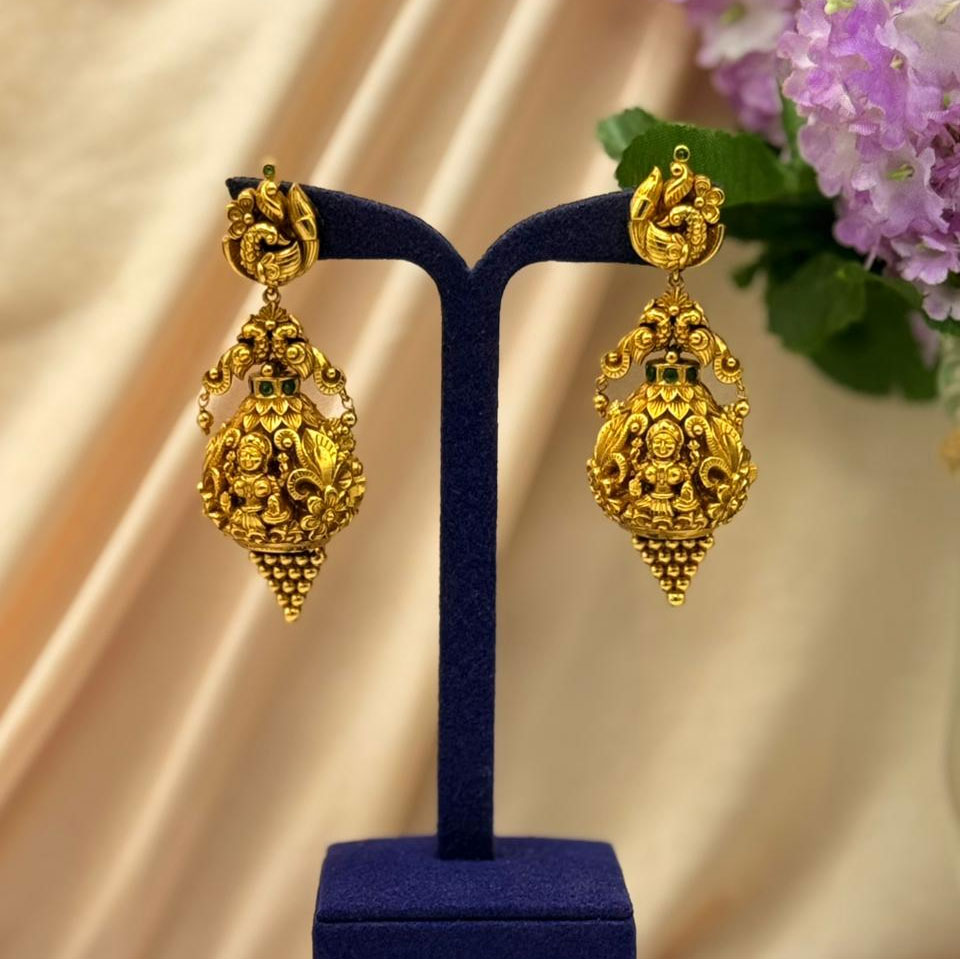
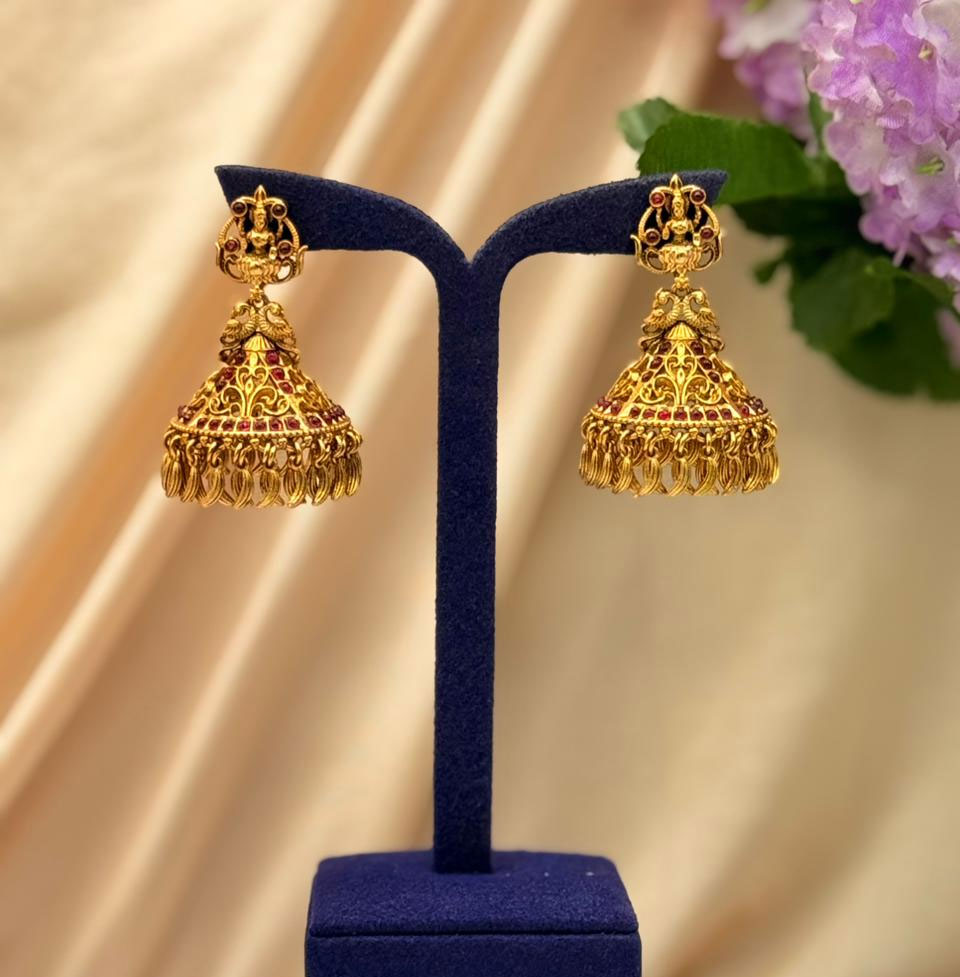
- Motifs: Common motifs include gods and goddesses, flowers, peacocks, and other auspicious symbols.
- Techniques: Techniques like Kundan, Minakari, and Jadau are often used to create these intricate pieces.
Types of Temple Jewellery
- Necklaces: Ranging from chokers to long harams, temple necklaces are often adorned with intricate motifs and stones.
- Earrings: Jhumkas and studs are popular earring styles in temple jewellery.
- Bangles and Bracelets: These are often heavily embellished with stones and intricate designs.
- Rings: Temple rings are known for their bold and elaborate designs, often featuring large stones.
- Maang Tikka: A traditional headpiece worn on the forehead, often seen in bridal jewellery sets.
- Vaddanam: A waist belt that is often worn by brides and classical dancers.
Temple jewellery is not just a fashion statement but a symbol of cultural heritage and tradition. It is often worn during weddings, festivals, and other significant occasions. The jewellery pieces are passed down through generations, making them heirlooms that carry historical and sentimental value.
While traditional temple jewellery remains popular, modern adaptations have also emerged. Contemporary designers are blending traditional techniques with modern aesthetics to create pieces that appeal to a broader audience. This fusion ensures that the legacy of temple jewellery continues to thrive in the modern era.
Gallery